Appliance Moving in Jeddah — Fridges, Washers and Screens
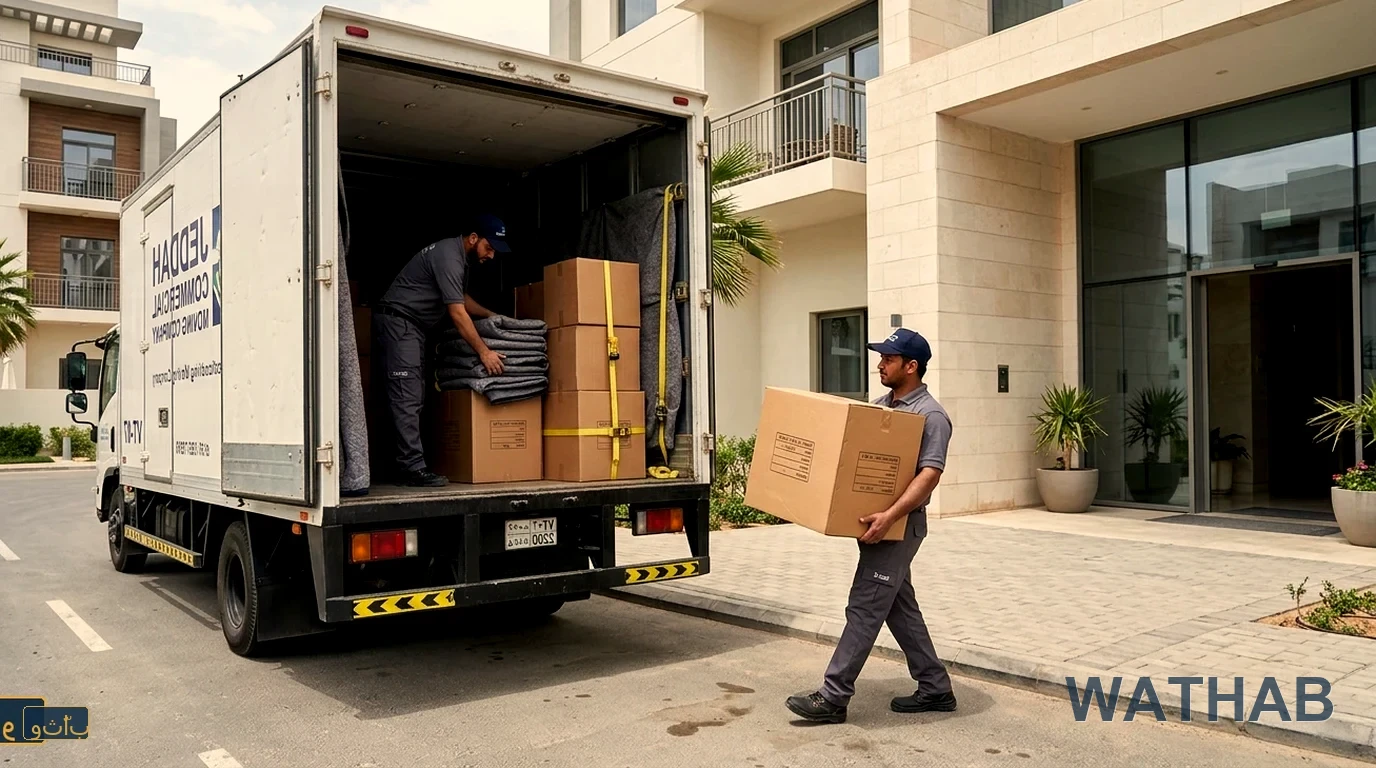
Appliances are the most valuable things in your home and the most vulnerable to silent damage in transit. We move them to a defined procedure for each type: a disconnection window for the fridge, transit bolts for the washer, and upright travel throughout.
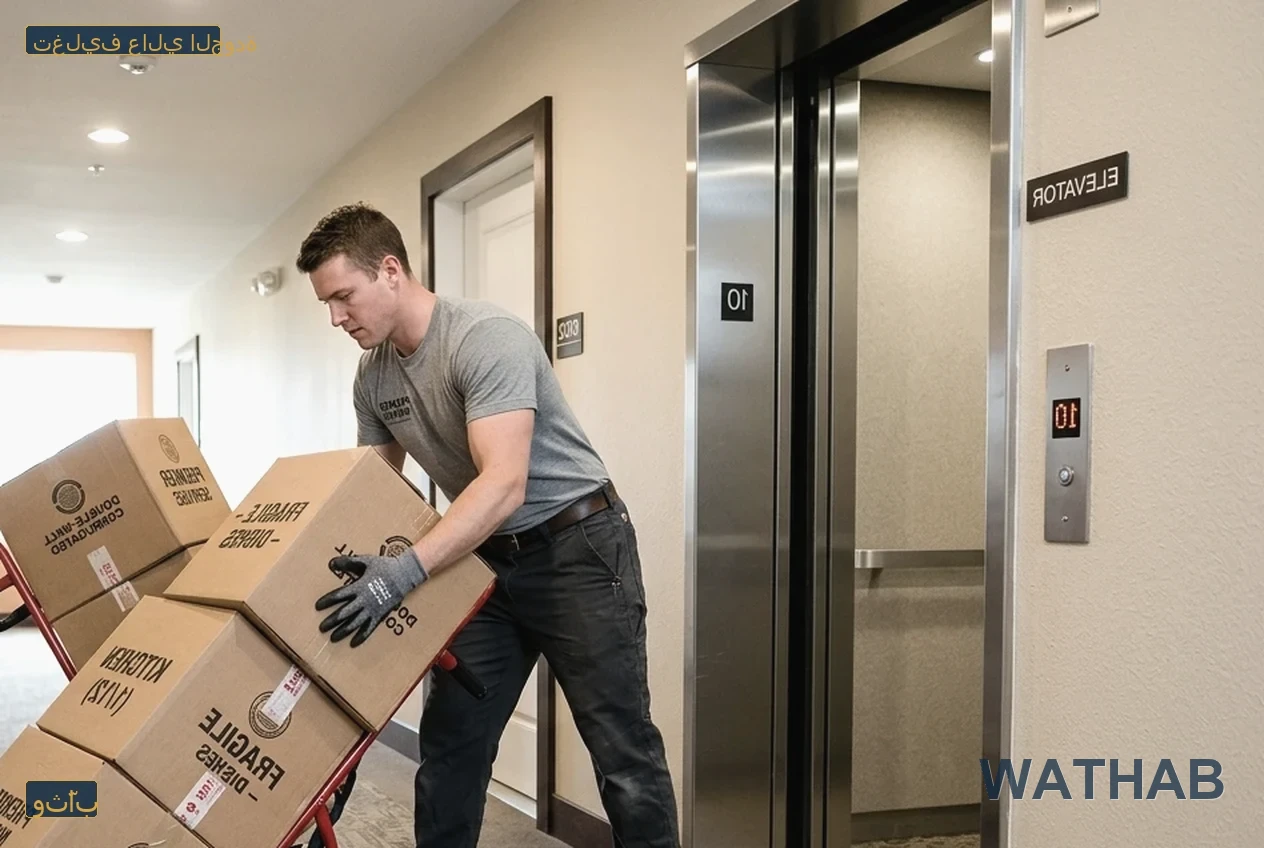
Why do appliances fail after a move even though they worked before?
The dangerous thing about appliance damage in transit is that it does not show on moving day. The fridge arrives looking fine and runs, then stops cooling a fortnight later. The washing machine completes a cycle or two, then starts shaking violently and roaring. The real harm happens internally: compressor oil that migrated into the refrigeration lines because the fridge travelled on its side; washing machine drum mountings shattered because the transit bolts were never fitted; a television panel crushed because it was carried flat rather than upright. None of that can be connected to the move two weeks later, so the homeowner absorbs the cost. Wathab prevents these failures with a defined procedure per appliance type, and records the condition and serial number of every unit before loading so responsibility is clear rather than arguable.
What we do with each appliance
Defined technical steps per type, not one uniform treatment:
Fridges and freezers
Disconnected at least six hours ahead, emptied and dried completely, internal shelves removed or secured with non-marking tape, wrapped in blankets and carried upright and strapped. On arrival we advise waiting two to six hours before switching on, depending on journey length.
Washing machines and dryers
Water drained fully from the hose and the lower filter, then the inner drum locked with the original transit bolts — we supply a matching set if yours are lost. Inlet and drain hoses are removed and stored inside the drum, the door is secured and the machine travels upright.
Televisions and electronics
Wrapped in foam then a dedicated lined carton, and carried strictly upright because flat carriage exposes the display panel to pressure that leaves permanent marks. Rear connections are photographed before disconnection and cables bagged and labelled per device.
Built-in kitchen appliances
Safe isolation of gas, water and electrical connections for ovens, dishwashers and extractors, with gas and water valves closed and checked for leaks before removal, then reconnection and testing at the new home.
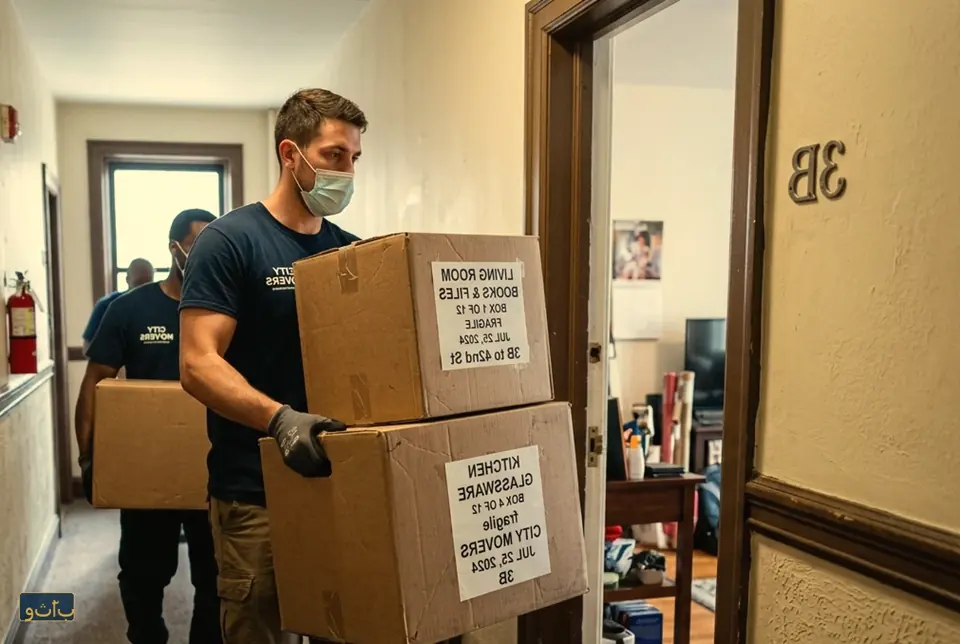
Every appliance has its own protocol
There is no single procedure that suits all appliances — the differences are purely technical.
Fridges and freezers need to be disconnected at least six hours in advance so the refrigerant settles and the compressor oil returns to its base, then emptied, dried completely and their doors secured, and they must travel strictly upright. Automatic washing machines need the water drained fully from the hose and the filter, then the inner drum locked with the original transit bolts — the part most people discard after first installation. Flat-screen televisions must travel upright in a foam-lined carton, because laying them flat exposes the display panel to pressure that leaves permanent marks and lines. Ovens and dishwashers need their gas and water connections isolated safely. Air conditioners need an HVAC technician to pump down the refrigerant before removal. We apply each protocol to its own appliance without shortcuts.
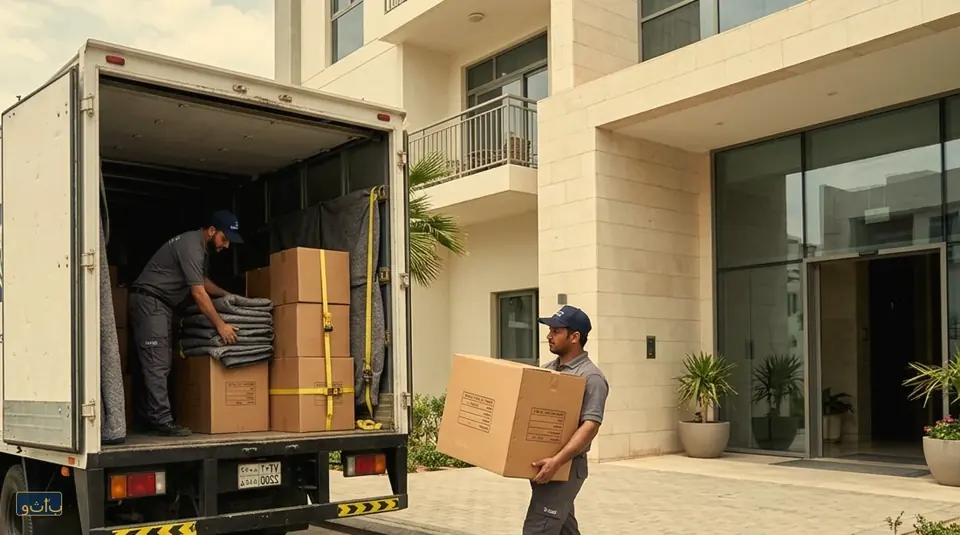
Appliance Moving Prices in Jeddah
Per-item prices inside Jeddah covering disconnection, wrapping, strapping and delivery into the home:
| Appliance | Estimated price |
|---|---|
| Standard fridge (within the same area) | SAR 120 – 200 |
| American / side-by-side fridge | SAR 200 – 350 |
| Automatic washing machine | SAR 100 – 180 |
| Chest or upright freezer | SAR 150 – 250 |
| Television above 55 inches | SAR 100 – 180 |
| Dishwasher or built-in oven | SAR 150 – 250 |
| Disconnect and reconnect a washing machine | SAR 80 – 150 |
| Dedicated carton and foam packing | SAR 40 – 80 |
| Full kitchen appliance package (4 items or more) | SAR 400 – 700 |
| Carrying to an upper floor without a lift (per floor) | SAR 20 – 40 |
Prices include loaders, wrapping, straps and delivery inside the home rather than at the building door. The charge is deducted from your invoice if you book a full house move. The price is fixed once we know the appliance type, the floor and lift availability.
How appliances are moved safely
A sequence we follow on every job whatever its size:
Inventory and condition record
We list the appliances and photograph their condition and serial numbers before touching them. That record underpins the guarantee and protects both sides from any dispute about a pre-existing or subsequent fault.
Advance disconnection by type
We tell you the day before exactly what to disconnect and when: the fridge six hours ahead, the freezer twelve hours ahead on long routes. Last-minute disconnection defeats the purpose entirely.
Draining and internal locking
Draining the washing machine and its filter, fitting the drum transit bolts, securing fridge shelves and doors, and keeping cables with their own appliance rather than in a separate box that gets lost.
Dedicated wrapping per appliance
Blankets and stretch film for fridges and washers, foam and lined cartons for screens, corner guards for sharp edges. Each wrapping is marked with the correct standing orientation so nothing is loaded the wrong way.
Upright loading and strapping
Every appliance is loaded standing and strapped to the truck wall with separators between it and the rest of the load. We do not lay any appliance down whatever the space — the answer is a larger vehicle, not a tilted machine.
Installation and test run
At the new home we place each appliance, reconnect hoses and cables, remove the washing machine transit bolts — a step many forget, leaving the machine shaking violently — and test-run whatever can be run straight away.
A detailed guide to moving each appliance
The technical answers homeowners look for before and after a move.
The fridge: why six hours, and when to switch it on again
Inside a fridge is a sealed refrigeration circuit containing gas and oil that lubricates the compressor. When running, the oil is distributed through the circuit; after disconnection it needs time to drain back and settle in the compressor base — hence the six-hour window before moving. After arrival the rule depends on how it travelled and for how long. If it was carried upright over a short distance inside Jeddah, two hours is enough before switching on. If it travelled upright over a long intercity route, wait four to six hours. If anyone was forced to carry it lying down — which we refuse to do — it must stand upright for a full twenty-four hours before power is applied, so the oil returns from the refrigeration lines to the compressor. Switching on sooner pumps oil into the circuit and creates a blockage that destroys the compressor.
The washing machine: transit bolts separate a sound machine from a ruined one
The inner drum of an automatic washing machine hangs inside the casing on strong springs and shock absorbers that let it swing during the spin cycle. That suspension is designed for controlled vertical movement in a fixed position, not for violent shaking in a truck crossing speed bumps. Every new machine therefore ships with three or four transit bolts fixed through its back panel that lock the drum to the casing, and the installer is told to remove them at first installation. The problem is that most people throw those bolts away afterwards, so when a move comes years later they are nowhere to be found. Moving a machine without locking the drum shatters the springs and shock absorbers, and the result appears weeks later as violent vibration, loud noise and the machine walking across the floor during the spin. We therefore keep sets of transit bolts for the most common models in the Saudi market and fit a matching set before loading, then remove them at the new home after levelling — a step many forget, which leaves the machine shaking despite being perfectly sound.
Televisions: why upright carriage is compulsory
Modern LED and OLED screens are built from very thin layers behind the front glass, and the display panel itself is designed to carry its weight distributed vertically as it hangs on a wall. Laid flat, the panel's weight spreads across its whole area, and any point pressure from above or any vibration creates bright patches or permanent lines that can only be repaired by replacing the entire panel — at close to the cost of a new television. We therefore always carry screens upright in a foam-lined carton, strapped between soft items, and we strongly prefer the original carton where it has been kept, because its moulding is made for exactly this purpose. If you expect to move again in future, keep your television cartons — advice that saves money and worry.
Built-in appliances and gas and water connections
Built-in ovens, dishwashers and extractors demand safety attention rather than merely technical care, because they connect to gas or water. Before removing any gas oven we close the cylinder valve or the mains line and check for leaks with a soap solution before disconnecting the fitting. With a dishwasher we close the water valve and drain the hose completely, because residual water leaks inside the truck and soaks everything travelling with it. At the new home we do not reconnect a gas line until the fitting matches and a sound regulator is in place, and we run a leak test before the crew leaves. These are steps that must never be relaxed however tight the schedule.
Making the appliance guarantee enforceable
A verbal guarantee on appliances is worthless in practice, because their faults appear late and their cause is hard to prove. We therefore follow one simple, decisive procedure: before loading we photograph each appliance externally along with its data plate and serial number, and we run whatever can be run to confirm it works. At delivery we repeat the test run in front of you and record the result. That gives us a documented reference for the condition of each appliance immediately before and after the move, and makes the guarantee against faults caused by our handling genuinely enforceable rather than a promise. It also protects the company from claims about faults that existed before we arrived, which is fair to both sides.
Prepare your appliances before moving day
Steps to complete yourself before the crew arrives:
Disconnect the fridge at least six hours ahead
Unplug it, empty it completely, remove or secure the loose shelves, dry the interior thoroughly and leave the door open until we arrive. A damp fridge produces odours and mould within hours in Jeddah's humid climate.
Find the washing machine transit bolts
Look in the original carton, the warranty booklet or the toolbox. If you find them you save time and gain a better guarantee; if not, tell us your model in advance so we can prepare a matching set before moving day.
Drain the washing machine a day ahead
Run an empty drain cycle, then open the lower filter and drain the remainder into a container, and leave the door open so the drum dries. Residual water leaks in transit and soaks the belongings beside it in the truck.
Keep the original cartons if you still have them
An original television or appliance carton is the best possible protection because its moulded foam was made for that exact unit. If you have kept them, bring them out the day before; if not, we supply foam-lined replacements.
Mistakes that ruin appliances in transit
Errors whose consequences appear weeks after the move rather than on the day:
Carrying the fridge on its side
The most common and most expensive error. Laying it flat pushes compressor oil into the refrigeration lines, and on start-up the oil is pumped into the circuit, blocking it and destroying the compressor. Fridges travel upright, and if one has travelled flat out of necessity it must stand for 24 hours before switching on.
Moving the washing machine without locking the drum
Without the transit bolts the suspended drum shakes for hours and shatters its springs and shock absorbers. The result appears weeks later as violent vibration, and repairing it costs many times the price of a bolt that takes minutes to fit.
Laying a screen flat under other items
A television carried flat under any weight or vibration suffers permanent patches and lines in the display panel that can only be fixed by replacing it entirely. Screens travel upright in a lined carton and nothing is ever placed on top of them.
Switching appliances on the moment they arrive
The urge to plug the fridge in straight away undoes every precaution taken before it. Wait at least two hours after a short move and four to six after a long one, so the oil returns and the refrigerant settles. Those minutes save a whole compressor.
After the appliances arrive
What you do in the first days determines whether they survive the move.
Remove the washing machine transit bolts after levelling
A step many forget, leaving the machine shaking violently and roaring despite being perfectly sound. Once the machine is in its final position and its feet are levelled, remove the bolts from the back and keep them somewhere known for the next move. Running the machine with the bolts fitted damages the springs.
Level the feet of the washer and the fridge
An uneven floor is the second cause of washing machine vibration after transit bolts. Adjust the screw feet until the machine sits without rocking, using a spirit level or a phone app. A fridge also needs a very slight backward tilt so its door self-closes and condensate drains correctly.
Watch the appliances for the first 72 hours
Run every appliance and observe it for three days: is the fridge cooling normally? Does the washer spin without excessive vibration? Is there any water leaking underneath? Report anything you notice in that window so it can be handled under the guarantee before it becomes a major fault.
Frequently asked questions about appliance moving
What our customers in Jeddah ask most about their appliances:
If it travelled upright inside Jeddah, wait two hours. After a long intercity route, wait four to six hours. If it travelled lying down out of necessity, leave it standing upright for a full 24 hours before switching on so the compressor oil returns to its base.
Tell us the model before moving day and we prepare a matching set. We keep transit bolt sets for the most common models in the Saudi market, fit them before loading and remove them after the machine is levelled at the new home.
A standard fridge is SAR 120 to 200, an American fridge SAR 200 to 350 and a washing machine SAR 100 to 180. The price covers disconnection, wrapping, strapping and delivery inside the home rather than at the building door.
Yes. We supply foam-lined cartons made for large screens, and they travel upright and strapped with nothing placed on top. The original carton is better where available because its foam is moulded to that specific screen.
Yes. We isolate gas, water and electrical connections safely after closing the valves and checking for leaks, then reconnect and test at the new home. This is work that should never be done by an untrained person.
Yes, against faults caused by our handling. We photograph each appliance and its serial number and test-run whatever can be run before loading and after delivery, and that record makes the guarantee genuinely enforceable rather than a verbal promise.
Appliance faults are prevented, not repaired
Why we treat each appliance under its own protocol.
Household appliances are the highest-value line in any move, and at the same time the line most moving companies in Jeddah treat with the least technical care, because damage to them does not surface on moving day and nobody is held to account. A fridge loaded on its side to save space, a washing machine moved without locking its drum, a screen laid flat under a blanket — all arrive looking intact, are handed over, and the fee is paid, and the consequence emerges weeks later when connecting the fault to the move has become impossible. Wathab treats this as a test of integrity before it is a test of competence: we apply each appliance type's defined technical protocol without shortcuts, we refuse to lay any appliance flat however tight the space and use a larger vehicle instead, and we document the condition and serial number of every unit photographically before loading and after delivery so the guarantee can actually be applied rather than merely stated. We also tell you in advance what you need to do yourself and when — such as disconnecting the fridge six hours ahead — because moving appliances safely is a partnership rather than a one-sided job. Send us your appliance list and we will return the final price and the moving plan well before your date.
WATHAB Moving & Storage Directory
Complete navigation tree providing direct access to all service categories and locations:
Furniture Moving Services in Jeddah
Furniture Storage Units
Intercity Long-Haul Relocation Routes
Moving Guides & Articles
Jeddah Service Districts & Neighborhoods
Start Your Safe Relocation Journey Today
Do not leave your valuable belongings to chance. Call WATHAB now to book a free inspection and customized quote.
Districts where we move a lot of appliances
- Furniture moving in Al Farouk — South Jeddah apartment blocks, washing machines, fridges and freezers.