How to Move a Washing Machine — The Transit Bolt Guide
A washing machine that shakes violently and roars after a move did not break by chance. The cause is always the same: it was moved without locking the inner drum. This guide explains everything about it.
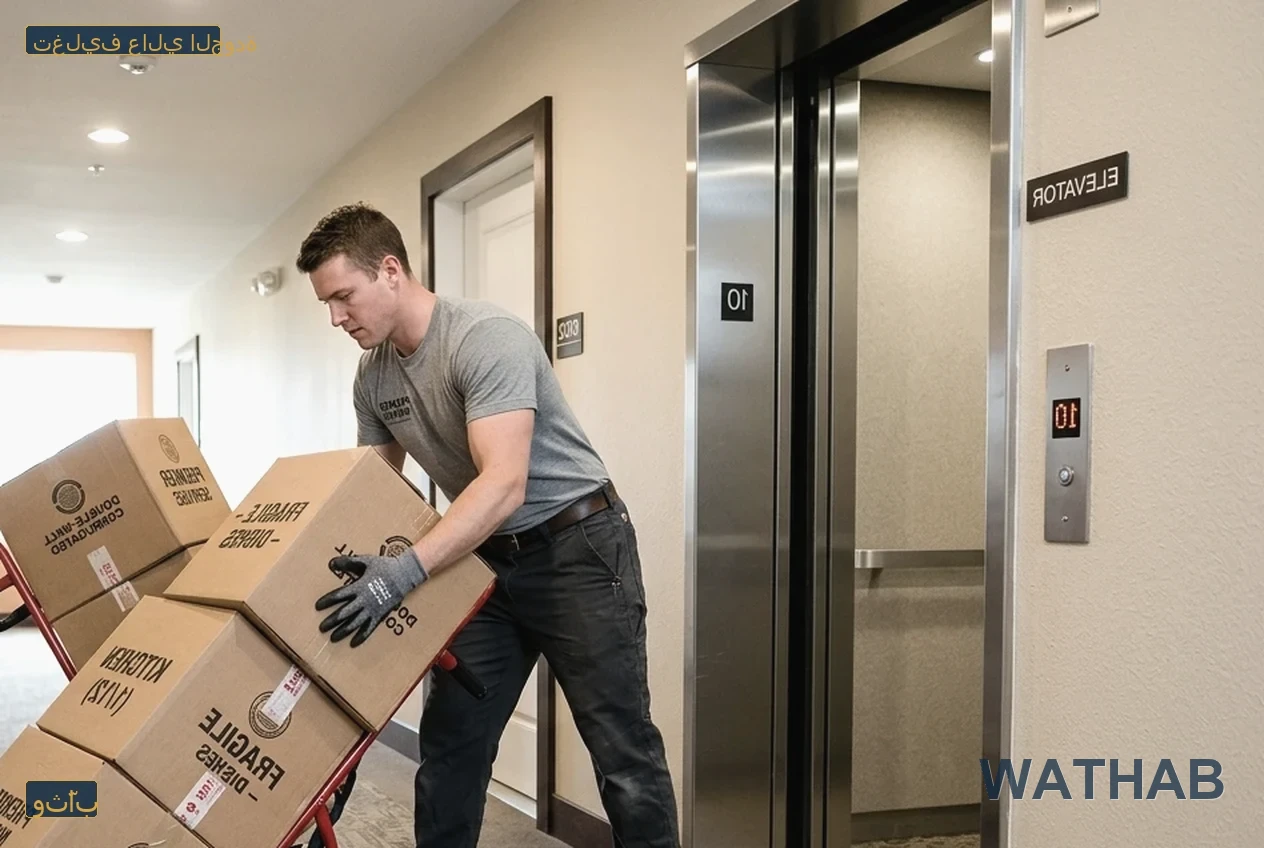
What is a transit bolt and why does it matter so much?
The inner drum of an automatic washing machine — the one that spins the laundry — is not fixed to the machine's body but suspended inside it on strong springs and shock absorbers. That suspension is deliberate and designed to let the drum swing in a controlled way during washing and spinning to absorb the imbalance of unevenly distributed laundry. But it is engineered for limited vertical movement in a fixed position, not for violent shaking in a truck crossing speed bumps. Every new washing machine therefore leaves the factory with its drum locked by three or four long metal bolts inserted through the back panel, and the installer is instructed to remove them at first installation. The problem is that most people discard those bolts afterwards, so when a move comes years later they cannot be found. Moving a machine without locking the drum lets it shake at full weight for hours, destroying the springs and shock absorbers — a fault that shows up weeks later as violent vibration, loud noise and the machine walking across the floor.
The four essential stages
Each stage serves a specific technical purpose:
Draining the water completely
Run an empty drain cycle, then close the water valve, disconnect the inlet hose and drain it, then open the lower filter — usually behind a small cover at the front base — and drain the remainder into a container. Residual water leaks in transit and soaks the belongings beside it in the truck.
Locking the drum with the transit bolts
Insert the bolts into the dedicated holes in the back panel — normally covered by small plastic caps — and tighten them until the drum cannot move at all. Rock the machine gently to confirm there is no internal movement before loading.
Wrapping and external securing
Tape the door with non-marking tape, bag or secure the detergent drawer, coil the power cable and hoses and store them inside the drum, and wrap the machine in a moving blanket to protect it from scratches and impact.
Upright transport, strapped
The machine always travels upright and strapped. Laying it on its side or back — even with the drum locked — puts pressure on internal pipework and can push residual water into the electrical components.

Where to find the transit bolts and what if they are gone
Three likely places, and two practical solutions if you cannot find them.
Look for the transit bolts in three places in order. First, the machine's original carton if you kept it, since they are usually fixed into the internal polystyrene or supplied in an attached bag. Second, the warranty booklet and documentation, because many installers put them in the same envelope after installation. Third, the toolbox or store room, in case a member of the household set them aside. If you cannot find them you have two options. The first is to order a replacement set from the brand's agent or an appliance spares retailer, available for most models at a modest price but requiring time to obtain. The second — which we provide for our customers — is to tell us your machine's model before moving day so we can prepare matching bolts from our sets covering the most common models in the Saudi market and fit them before loading. Moving without locking the drum on the assumption that the distance is short is the gamble that usually ends with a machine that shakes violently.

Washing machine moving steps and timings
A practical schedule from the day before the move to the first run after it:
| Timing | Required step |
|---|---|
| The day before | Run an empty drain cycle to clear water from the drum and pump |
| The day before | Close the water valve, disconnect the inlet hose and drain it |
| The day before | Open the lower filter and drain the remaining water into a container |
| The day before | Leave the door and detergent drawer open so the interior dries |
| Hours before | Disconnect the power, coil the cable and secure it behind the machine |
| Immediately before | Fit the three or four transit bolts through the back panel |
| Immediately before | Tape the door with non-marking tape and wrap the machine in a blanket |
| During transit | Carry it upright and strapped — never lying down |
| On arrival | Place it in its final position and level the feet |
| Before first use | Remove the transit bolts and keep them — this step is mandatory |
Removing the transit bolts after installation must never be forgotten: running the machine with the bolts still fitted leaves the drum unable to move, so the whole machine shakes violently and its mountings are damaged — exactly the harm the bolts were fitted to prevent. Keep them in a bag labelled with the appliance name for the next move.
After arrival: correct installation
Six steps that determine whether the machine will vibrate or not:
Place it in its final position
Decide the position before unloading and place it there directly. Moving it after connection is awkward, strains the hoses and can loosen them, and dragging it across the floor damages the feet and scratches the tiles.
Remove the transit bolts
The most important step after installation and the most frequently forgotten. Remove the three or four bolts from the back panel and refit the plastic caps, and keep the bolts in a bag labelled with the appliance name for the next move.
Level the feet with a spirit level
An uneven floor is the second cause of vibration after transit bolts. Turn the adjustable feet until the machine sits without rocking in any direction, checking with a spirit level or a phone app.
Connect the hoses and check for leaks
Connect the inlet hose to the water valve firmly with its rubber washer in place, and fit the drain hose at the height stated in the manual. Open the valve and check the connections by hand for any seepage.
Run a short empty cycle
Before the first real wash, run a short cycle with the machine completely empty. It tests the drainage and the connections and reveals any vibration or leak before you put your laundry in.
Watch the spin cycle particularly
Vibration shows during the high-speed spin rather than the wash. Watch that stage on the first cycle: light vibration is normal, but violent shaking or the machine moving out of position means stopping and checking the feet and the bolts.
Technical background on moving washing machines
Understanding the internal construction explains why these steps are compulsory.
Why is the drum suspended in the first place?
An automatic washing machine has two drums: an outer fixed drum attached to the body that holds the water, and a perforated inner drum in which the laundry rotates. The inner drum is driven by a motor that spins it at up to 1,400 revolutions per minute during the spin cycle. At that speed any imbalance in how the laundry is distributed — which is inevitable — generates a substantial centrifugal force pushing the drum sideways. If the drum were rigidly fixed to the body, that force would transfer entirely into the machine, which would jump out of position and destroy its own components within weeks. The drum is therefore suspended on springs above and shock absorbers below that absorb this force and convert it into limited swing. That clever design is itself the weak point during transport: a suspended system engineered for controlled movement in a fixed location, exposed to violent random shaking in a moving truck.
What actually happens when it is moved unlocked
During transport without transit bolts, the inner drum shakes at its full weight — considerable, since it is metal and in many models carries a concrete counterweight — inside the body with every bump and vibration. The damage lands on three components. The upper springs may stretch permanently or come out of their seats, leaving the drum hanging out of true. The lower shock absorbers lose part of their damping capacity or their mountings break. And the drum bearing may be damaged by lateral loads it was never designed for, which is the worst outcome because replacing it requires stripping the entire machine at a cost approaching half the price of a new one. The difficulty is that none of this stops the machine working immediately; it runs a cycle or two almost normally, then the vibration and noise escalate progressively until they become unbearable.
Why removing the bolts matters as much as fitting them
This is a paradox many people fall into: they take trouble to find the transit bolts and fit them correctly, then forget to remove them after installing the machine at the new home. The result is the exact opposite of what was intended. The bolts immobilise the drum completely, so if the machine is run while they are still fitted, the drum has no room to swing and the full centrifugal force transfers into the machine's body. The result is violent shaking of the whole appliance, severe noise and direct strain on the mounting points and springs — the same damage the bolts were meant to prevent, and often worse. The rule is therefore: bolts in immediately before the move, bolts out immediately before first use, and never left fitted beyond that. The best habit is to put them, as soon as they are removed, into a bag taped to the back of the machine itself rather than into a toolbox, so you find them next time.
Diagnosing vibration after a move yourself
If your machine vibrates after a move, check these causes in order before calling a technician. First: were the transit bolts removed? Look at the back of the machine — this is by far the most common cause and costs nothing to fix. Second: are the feet level and stable? Push the machine at each of its four corners; if it rocks, the feet need adjusting, and this is the second most common cause. Third: is the floor itself level and solid? Wooden or uneven floors amplify any normal vibration. Fourth: is the load evenly distributed or bunched to one side? Run an empty spin cycle; if the vibration disappears the problem is load distribution rather than the machine. Fifth: if vibration persists with an empty drum, level feet and bolts removed, the problem is internal — springs, dampers or bearing — and needs a technician. That sequence resolves most cases at no cost.
Do dryers and dishwashers follow the same rules?
Partly. A tumble dryer is simpler because its drum runs on fixed bearings rather than a suspension, so most models need no transit bolts, but it still travels upright and needs its lint filter cleaned before the move and its condensate tank emptied on models that have one. A dishwasher raises a different issue: it connects to water and drainage, both of which must be closed, disconnected and drained completely, and water remaining in its sump and pump will leak during transit — a problem we see often because a dishwasher's base always retains some water that a normal cycle does not remove. After the last cycle, therefore, wipe the base by hand, remove and clean the filter, and leave the door open for a full day to dry. It too travels upright and secured.
Washing machine moving checklist
Five points that decide whether the machine survives the move:
Drained completely?
An empty drain cycle, then disconnecting and draining the inlet hose, then opening the lower filter and draining the remainder. Residual water leaks in the truck and soaks the belongings beside it.
Transit bolts fitted?
Three or four bolts through the back panel locking the drum. Rock the machine gently to confirm there is no internal movement. If the bolts are lost, tell the moving company your model in advance.
Will it travel upright and strapped?
The machine always travels upright even with the drum locked, because a horizontal position stresses internal pipework and can push residual water into the electrical parts.
Have you remembered to remove the bolts after installation?
Set a reminder on your phone now. Running the machine with the bolts fitted causes violent vibration and damages the mountings — precisely the harm the bolts were fitted to prevent.
Mistakes that ruin a washing machine
Four errors that explain most washing machine faults after a move:
Moving without locking the drum
The first and most costly error. A suspended drum shakes at full weight for hours, destroying the springs and dampers and potentially the bearing — a repair costing close to half the price of a new machine.
Forgetting to remove the bolts after installation
The opposite error with the same result. An immobilised drum transfers the full spin force into the body, so the machine shakes violently. Remove them before the first run and keep them in a bag taped to the back.
Not draining the water before moving
Water left in the drum, pump and hoses leaks en route and soaks adjacent belongings in the truck, and can reach the electrical components if the machine is tilted.
Ignoring the feet after installation
An uneven floor or unadjusted feet is the second cause of vibration. Two minutes with a spirit level solves what you might otherwise assume is an internal fault requiring a technician.
Further tips for moving a washing machine
Details that protect the machine and your other belongings.
Clean the filter and drawer before moving
A move is a good opportunity to clean the pump filter and detergent drawer of accumulated deposits. A dirty filter holds stagnant water that leaks in transit and produces an unpleasant smell, and a clogged drawer only gets harder to clean over time.
Do not put items inside the drum during transit
The drum looks like tempting storage for small items, but anything inside strikes its walls throughout the journey and scratches the drum or damages the perforations. The only exception is the hoses and cable, coiled inside a bag.
Photograph the connections before disconnecting
Photograph the back of the machine showing both hoses and the cable and their positions before disconnecting. When reconnecting at the new home you will know exactly which is the inlet and which is the drain — a common confusion that causes leaks.
Frequently asked questions about moving a washing machine
Answers on transit bolts, vibration and installation:
Three or four metal bolts inserted through the back of the machine to lock the suspended inner drum during transport. Look in the machine's original carton, with the warranty booklet, or in the toolbox; the holes are covered by small plastic caps at the back.
Order a replacement set from the brand's agent or a spares retailer, or tell us your machine's model before moving day and we will prepare matching bolts from our sets for the most common models and fit them before loading.
Check in order: were the transit bolts removed? (the most common cause) Are the feet level and stable? Is the floor solid and even? Is the load bunched to one side? Run an empty spin; if the vibration persists the problem is internal and needs a technician.
No. It travels upright even with the drum locked, because a horizontal position stresses the internal pipework and can drive residual water into the electrical components and damage them.
Run an empty drain cycle, then close the water valve, disconnect the inlet hose and drain it, then open the lower filter behind the small cover at the front base, drain the remainder into a container and leave the door open to dry.
SAR 100 to 180 per unit within Jeddah, covering draining, wrapping, strapping and delivery inside the home. Disconnecting and reconnecting the machine with its plumbing is SAR 80 to 150 if requested as a separate service.
A bolt worth a few riyals protects a machine worth thousands
Why we keep transit bolts for models we do not sell.
It is remarkable that a simple metal component worth a few riyals is the difference between a washing machine that lasts years and one needing a repair costing half its value. It is more remarkable still that this component ships with every new machine and is then thrown away after first installation because nobody told the buyer they would need it one day. That small gap in knowledge is behind most washing machine failures after moves in Jeddah and everywhere else. Because we meet this situation weekly, Wathab took a practical decision: we keep a stock of transit bolt sets for the most common models in the Saudi market, we ask each customer for their machine's model before moving day, and where the original bolts cannot be found we prepare a matching set and fit it before loading at no extra charge. And we add a second step no less important: we remind the customer to remove the bolts before the first wash, because forgetting them causes exactly the damage they were fitted to prevent. Read this guide before your next move, look for your machine's bolts now rather than on the morning of the day, and once they are removed keep them in a bag taped to the back of the machine — you will need them again.
WATHAB Moving & Storage Directory
Complete navigation tree providing direct access to all service categories and locations:
Furniture Moving Services in Jeddah
Furniture Storage Units
Intercity Long-Haul Relocation Routes
Moving Guides & Articles
Jeddah Service Districts & Neighborhoods
Start Your Safe Relocation Journey Today
Do not leave your valuable belongings to chance. Call WATHAB now to book a free inspection and customized quote.