Piano, Heavy and Valuable Item Moving in Jeddah
Some pieces are not moved by adding more men but by different equipment and technique entirely. Pianos, safes, crystal chandeliers and marble tops each need a specific lifting and support method that leaves no room for improvisation.
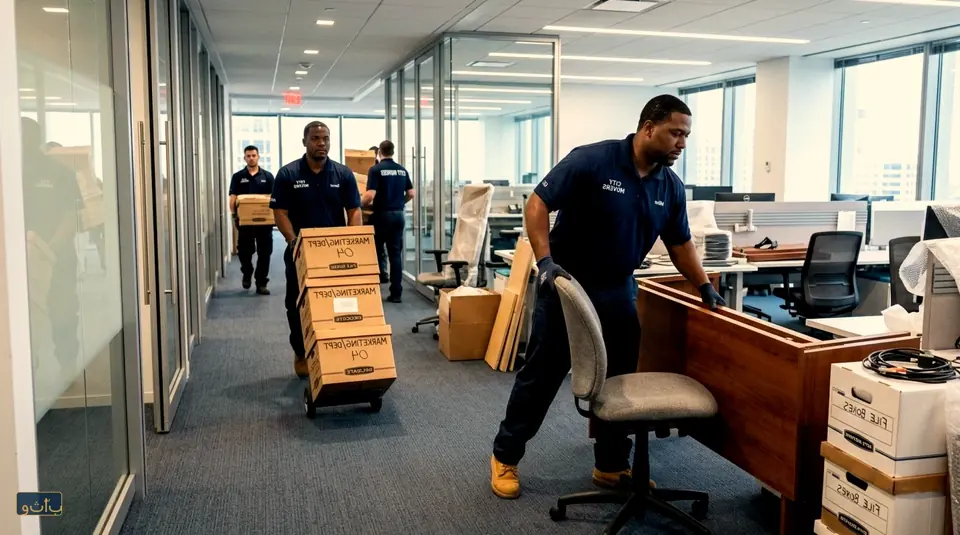
Why heavy items need a different crew and different equipment
The common error is to treat weight as something solved by more men. An upright piano weighs between 200 and 350 kilograms and a grand can exceed 400, but weight alone is not the problem — its distribution is. A piano is heavy on the side of the strings and the iron frame, and any wrong tilt transfers the whole load onto slender wooden legs that then snap, or stresses the internal frame so the tuning collapses entirely. The same applies to a safe whose weight concentrates in its base, to a marble table that fractures across its middle if lifted by its ends rather than supported across its face, and to a crystal chandelier whose hanging elements are destroyed by any lateral vibration. Each needs a defined lifting and support method and equipment designed for it: piano dollies with large wheels, lifting straps that distribute load across the crew, slide boards for slabs, and an external hoist when the stairs are simply impossible. Wathab treats these pieces as a separate discipline rather than an add-on to ordinary moving.
How we handle each type of heavy item
A separate protocol for each category according to its weight and fragility:
Pianos and large instruments
The piano is wrapped in thick blankets covering every surface with the keyboard lid secured, and raised onto a purpose-built piano dolly with large shock-absorbing wheels. On a grand piano the legs and pedals are removed and wrapped separately and the body travels on its side on a specially padded board, standing secured in the truck with no load on its legs.
Safes and strongboxes
We establish the real weight first, from the data plate or by engineering estimate, and check the floor and stair loading before any movement. Hydraulic dollies, slide boards and load-distributing lifting straps are used, and the safe is never rolled across the property's own floor because that breaks tiling and stone.
Crystal chandeliers and premium lighting
The chandelier is photographed complete before dismantling to serve as the reassembly reference, then its hanging elements are removed one by one, labelled and each wrapped separately in dividers. The frame is wrapped independently and the elements returned to their exact positions from the photographs.
Marble, granite and large glass
Stone and glass panels always travel vertically rather than flat, because flat carriage risks fracture across the middle under their own weight. They are supported on padded timber frames and strapped to the truck side with foam protection along the edges.
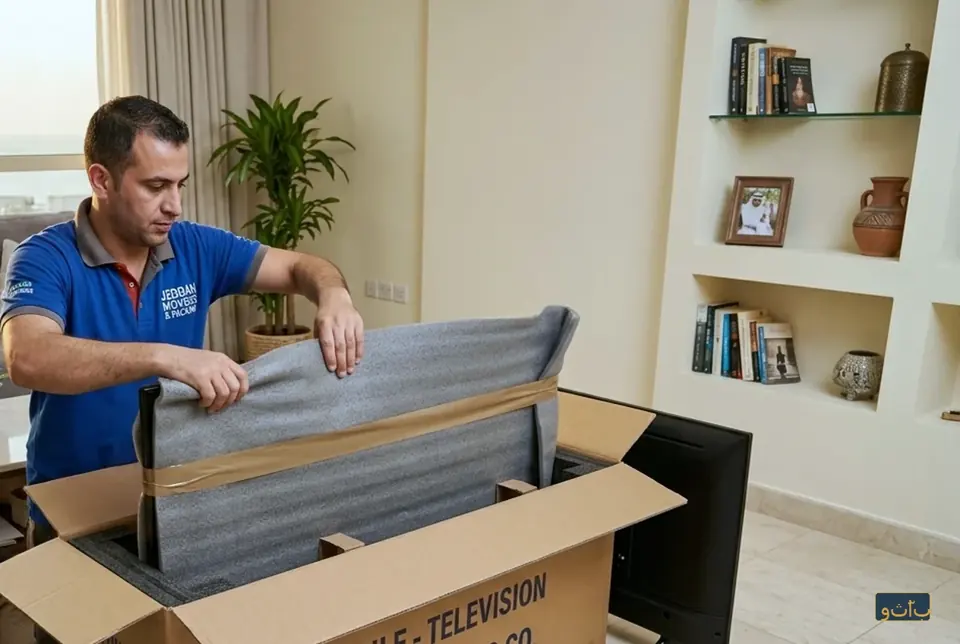
The items we treat as a separate discipline
A clear list of what falls under heavy and valuable item moving.
Our work in this discipline covers pianos of every type — upright, grand and heavy digital instruments — along with church organs and large musical instruments. Steel safes and bank-grade strongboxes weighing hundreds of kilograms with their weight concentrated at a single point. Large crystal chandeliers requiring documented dismantling of their hanging elements and separate wrapping for each piece. Marble and granite tops for dining tables and kitchens that fracture from a single wrong lift. Antiques, artwork and large framed mirrors. Large aquariums and oversized planters. Heavy gym equipment such as treadmills and weight stacks. And classic gilded furniture whose surface marks at the touch of an ungloved hand. Each of these has its own protocol, and we do not accept any of these jobs without a site survey that establishes the exit route and the equipment required.
Heavy and Valuable Item Moving Prices in Jeddah
Indicative prices confirmed after the site survey that is mandatory for this category:
| Item | Estimated price |
|---|---|
| Upright piano inside Jeddah | SAR 800 – 1,500 |
| Grand or baby grand piano | SAR 1,500 – 3,000 |
| Medium steel safe (up to 300 kg) | SAR 500 – 1,200 |
| Large safe / bank strongbox | SAR 1,200 – 2,500 |
| Large crystal chandelier (dismantle, move, refit) | SAR 300 – 700 |
| Marble or granite top for a large table | SAR 250 – 500 |
| Antiques and artwork (per piece) | SAR 150 – 400 |
| Large framed mirror or glass panel | SAR 150 – 350 |
| Large aquarium (drain and move) | SAR 400 – 900 |
| External hoist where access is impossible | SAR 400 – 900 |
A site survey is mandatory and free for this category, because the price depends on the exit route, the floors and the equipment required rather than on the weight alone. The price is fixed in writing after the survey and does not change. High-value pieces have their value recorded before the move to set the scope of cover.
Stages of a heavy or valuable item move
A longer process than ordinary moving because every step is planned in advance:
The mandatory site survey
We attend to see the item and its exit route: door widths, stair turns, lift capacity and floor condition. The survey determines the equipment, crew size and duration, and we never quote a heavy item without it.
Planning the lift and the route
We map the exit route step by step and identify the critical turning points. Where the internal route is impossible we decide on an external hoist, fix the lifting point and the machine's standing area, and arrange permissions with the building management.
Protecting the property before the item
Protective boards are laid along the whole route to shield tiling and stone from the weight of the dollies, and door edges, walls and handrails are wrapped. A heavy item damages the property before it damages itself if the route is unprotected.
Specialist wrapping and securing
Multi-layer wrapping suited to the item type, removal and labelling of detachable parts with photographic records, and securing of moving parts such as the piano keyboard lid and safe doors before any movement.
Lifting and transport with the right equipment
Purpose-built dollies and lifting straps that distribute load evenly across the crew, and slow measured movement along the planned route. Inside the truck the item occupies a defined position with independent straps and insulating separators.
Placement and final inspection
The item is set in its final position at the new home and its parts reassembled from the reference photographs, then inspected with you. For pianos we advise tuning after two weeks of settling and can recommend a specialist.
A guide to moving heavy and valuable items
Technical detail that protects pieces which can be worth as much as a car.
The piano: why it needs tuning after any move, however perfect
Every piano owner should know this before moving so they are not alarmed and do not assume something went wrong. A piano holds more than two hundred strings under a combined tension exceeding twenty tonnes on an iron frame, and the wooden soundboard inside reacts to humidity and temperature. Any change in the surrounding environment — and moving home is by definition an environmental change — affects string tension and shifts the tuning slightly, even if the piano was moved perfectly. The internationally accepted rule is therefore that a piano should settle in its new environment for at least two weeks before tuning, because tuning immediately gives a temporary result that drifts as the timber stabilises. In Jeddah this matters even more because of the high coastal humidity; we advise placing the piano away from external walls facing the sea and out of the direct airflow of an air conditioner.
Safes: the problem is not the weight but its concentration
A safe differs from every other item in that its weight concentrates in a very small area, which creates enormous point pressure on the floor that can crack tiling or stone, or even stress the concrete slab on upper floors. We therefore begin by establishing the actual weight — from the data plate where present or by engineering estimate from the dimensions and wall thickness — then assess the route: will the staircase take it? Is the lift's capacity sufficient? Many residential lifts in Jeddah are rated at only 400 kg, which is not enough for a medium safe plus two crew. We use load-spreading boards along the entire route and never roll a safe directly across the floor. In many cases an external hoist is the only safe answer despite its additional cost.
Marble and glass: the vertical rule
A simple physical rule that many people do not know, and it costs them expensive surfaces: stone and glass panels are extremely strong against compression and very weak against bending. When a marble slab is carried flat and held at its ends, its middle sags under its own weight and a bending stress develops that fractures it across the centre even with no external impact. Carried vertically on its edge, the weight acts along its line of strength and almost no bending arises. We therefore carry every stone and glass panel vertically on padded timber frames strapped to the truck side, and never lay them flat even momentarily during lifting or setting down. That single rule prevents most tabletop breakages in the moving trade.
Antiques and artwork: recording value before the move
Antiques, artworks and heirlooms raise a different problem from weight: establishing value. If an antique is damaged and its value was never documented beforehand, assessing compensation becomes an endless dispute. We therefore ask for the value of pieces in this category to be documented before the move through a purchase invoice, a valuation, or even a written declaration from the owner of its estimated worth, and we photograph the piece from every angle with close-ups of any existing defects or cracks. That documentation defines the scope of cover clearly and protects both sides: you know the limits of compensation in advance, and we are not held liable for pre-existing damage. We also decline to move pieces whose value we judge to exceed what we can properly cover without telling you so plainly.
When is an external hoist the only option?
In Jeddah's newer buildings and compounds we constantly meet items that cannot leave through the door or lift by any means: a grand piano on the fifth floor, a safe wider than the flat door, or a corner sofa that cannot be dismantled. The practical indicator we use during the survey is straightforward: if the item's smallest dimension exceeds the narrowest point on the exit route after allowing a five-centimetre safety margin, the internal route is impossible. In that case we plan external lifting through a balcony or window, fix a safe anchor point and a standing area for the machine, and obtain the building management's approval. The hoist costs between SAR 400 and 900 depending on height, and we include it in the quote from the start rather than as a surprise on the day.
Before the heavy item move
Preparation specific to this category of work:
Clear the exit route completely
Remove all furniture, rugs and small items from the item's exit route, including pictures on walls and decorative pieces in corridors. The crew needs a completely clear path because moving a heavy item does not allow stopping or manoeuvring.
Obtain hoist permissions in advance
If the plan involves external lifting, some compounds and building managements require prior approval and set specific hours. Complete this days ahead to avoid the machine arriving and being refused permission to work.
Empty the safe or aquarium beforehand
A safe always travels empty for security and weight reasons, and an aquarium is drained of water, fish and gravel the day before. Arrange temporary accommodation for the fish and the safe's contents before the day rather than on it.
Document the value of high-value pieces
Have purchase invoices or valuations ready for valuable items. Recording value before the move defines the scope of cover clearly and prevents any dispute over assessment should damage occur.
Mistakes that break heavy items
Common practices that end in damage that cannot be repaired:
Adding more men instead of using equipment
Six men carrying a piano are not a substitute for a piano dolly and lifting straps. Manual carrying distributes force unevenly and makes control impossible at the first slip. Equipment is not a luxury; it is what makes the movement measured and controlled.
Rolling a safe across the property floor
Pushing or rolling a safe directly over tiling or stone breaks the floor and leaves gouges that cannot be repaired, and can damage the safe's own base. The answer is load-spreading boards and hydraulic dollies along the whole route.
Carrying marble and glass flat
Flat carriage creates a bending stress that fractures the panel across its middle under its own weight with no impact at all. Stone and glass are always carried and transported vertically on padded frames, without exception.
Moving a chandelier assembled to save time
Trying to move a crystal chandelier whole ends in its hanging elements shattering as they collide with any vibration. Chandeliers are dismantled piece by piece, labelled and wrapped separately, and reassembled from the reference photographs.
Protecting your valuable pieces
Steps the owner can take that make a genuine difference.
Photograph the piece in detail before the move
Take high-resolution photographs of every valuable piece from all angles, with close-ups of any existing scratch, crack or flaw. That record serves you twice: it establishes the condition before the move, and it becomes the reference for reassembling multi-part pieces such as chandeliers.
Do not try to move the piece yourself before we arrive
Individual attempts to shift a piano, a safe or a marble top cause most of the damage we see, and they happen before any moving crew arrives. A heavy item is damaged by a single wrong movement, and shifting it without equipment is a genuine physical danger to whoever tries.
Check the lift capacity before moving day
The lift plate states its maximum load in kilograms. Read it and tell us during the survey. Many residential lifts in Jeddah are rated at 400 kg, which is not enough for a safe or piano plus the crew, and knowing that in advance changes the whole plan.
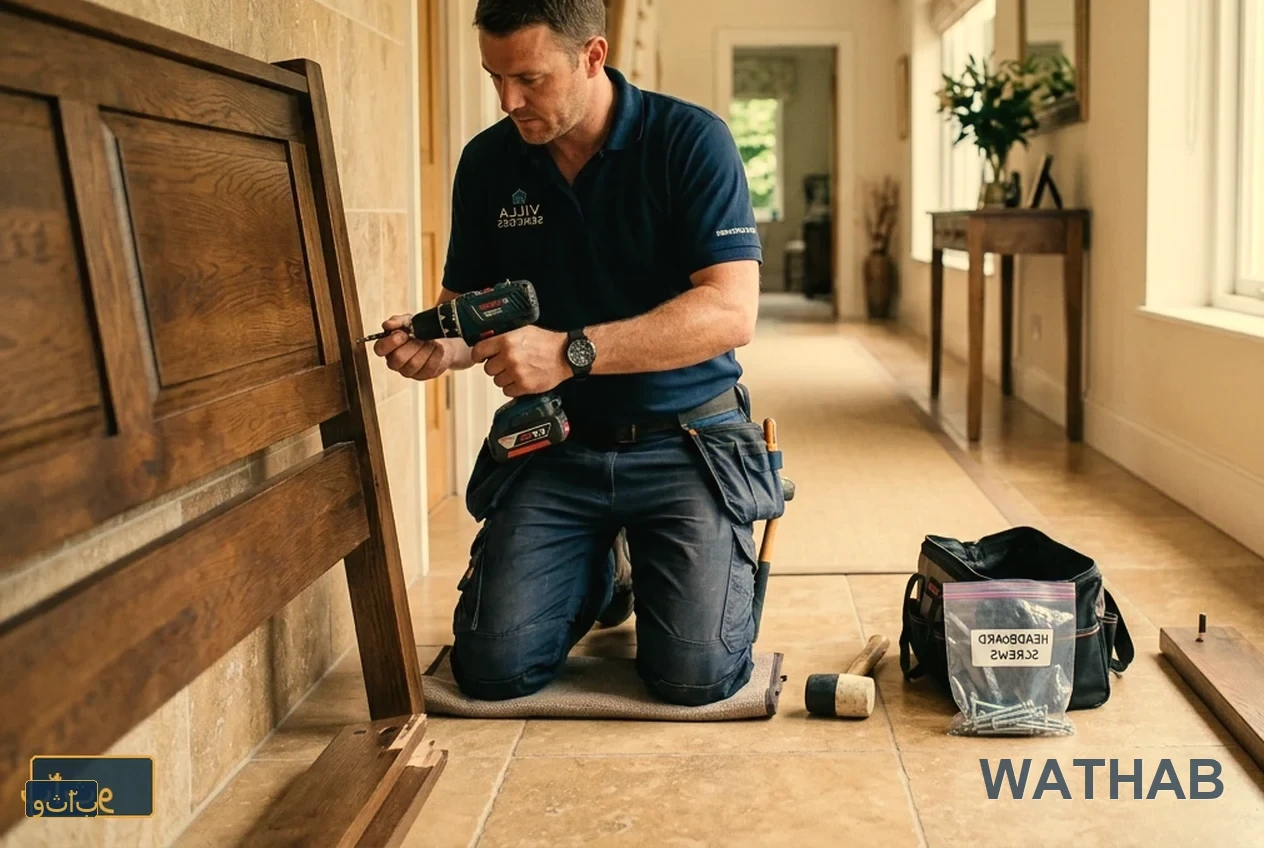
Frequently asked questions about heavy and valuable item moving
What owners of valuable pieces in Jeddah ask most:
An upright piano is SAR 800 to 1,500 inside Jeddah and a grand SAR 1,500 to 3,000. The price depends on the floor, the exit route and whether an external hoist is needed, and it is fixed after the site survey that is mandatory for this category.
Yes, even with a perfect move. The change in environment and humidity affects string tension and the soundboard. The accepted rule is to let the piano settle for two weeks in its new position before tuning, and we can recommend a specialist tuner.
Because pricing here depends on the exit route and the equipment required rather than the item's weight alone. The same piece can cost SAR 800 on the ground floor and SAR 1,700 on a fourth floor needing a hoist. Quoting this category by phone is irresponsible guesswork.
Yes. Safes up to 300 kg are SAR 500 to 1,200 and larger ones SAR 1,200 to 2,500. We establish the weight and check stair and lift capacity first, and use hydraulic dollies and load-spreading boards. Safes always travel empty.
We discover that during the survey and plan external lifting through a balcony or window for SAR 400 to 900, included in the quote from the outset, after fixing a safe anchor point and obtaining the building management's approval.
We ask for the value to be documented before the move through an invoice, a valuation or a written declaration, and we photograph the piece from every angle including any existing defects. That defines the scope of cover clearly and protects both sides from disputes over assessment.
One piece can be worth more than the whole load
Why we refuse to quote heavy items over the phone.
Almost every home contains one or two pieces worth more than everything else put together: a piano the family inherited, a safe holding documents and valuables, a chandelier chosen with care for the majlis, or an heirloom whose value is sentimental and cannot be replaced with money at all. Yet in most moves in Jeddah these pieces are handled as though they were simply heavy furniture, to be dealt with by adding two more men. Wathab treats this category as a separate discipline with its own crew, equipment and protocols, and applies one rule we do not relax: no price without a site survey. The reason is that the cost here is not set by the item's weight but by its exit route; the same piano can cost eight hundred riyals from a ground floor and one thousand seven hundred from a fourth floor requiring an external hoist. Anyone who quotes you a price for a heavy item over the phone without seeing the exit route is either guessing and will raise the figure on the day, or intends to attempt it without adequate equipment — and both outcomes are bad for you. Request a free survey today and we will tell you the equipment required and the exact cost, and we will say so plainly if the piece exceeds what we can move and cover safely.
WATHAB Moving & Storage Directory
Complete navigation tree providing direct access to all service categories and locations:
Furniture Moving Services in Jeddah
Furniture Storage Units
Intercity Long-Haul Relocation Routes
Moving Guides & Articles
Jeddah Service Districts & Neighborhoods
Start Your Safe Relocation Journey Today
Do not leave your valuable belongings to chance. Call WATHAB now to book a free inspection and customized quote.